SACTCHECK · YOUR TREATMENTSACTCheck home
HER2-positive early breast cancer · before surgery · NCCP 00722 v2

TCHP: docetaxel, carboplatin, trastuzumab and pertuzumab

Treat HER2-positive early breast cancer as part of a plan intended to reduce the risk of it returning.

DocetaxelCarboplatinTrastuzumabPertuzumab21-day cycle
Your complete treatment reference

Understand the plan. Find what you need.

Medicines, schedule, tests, side effects, daily life, with sources and practical actions.

Open complete patient reference → Explore your 21-day timeline →

Source reconciled; independent clinical, pharmacy and patient/PPI review pending · prepared 2026-10-21

All four medicines are given by infusion on Day 1 of a 21-day cycle, for six cycles before surgery. Surgery findings guide the postoperative treatment. There is no routine take-home chemotherapy pump.

How your medicines work

Taxane chemotherapy

Docetaxel

Disrupts the cell’s division machinery
Microtubules stabilised→Division disrupted→Cell growth affected

Docetaxel stabilises tiny structures called microtubules. Cells need these to separate their chromosomes during division; disrupting the process can stop cancer cells multiplying. Healthy dividing cells are also affected.

Take prescribed steroid premedication. Report fever, lasting numbness, swelling, sore nails or infusion symptoms.

Platinum chemotherapy

Carboplatin

Damages DNA inside cells
Platinum enters cell→DNA links form→Copying is disrupted

Carboplatin creates links in DNA, making it harder for cells to copy and repair their genetic instructions. Its dose depends on kidney function as well as the intended regimen.

Keep blood-test appointments. Fever, unusual bleeding, repeated vomiting or infusion symptoms need prompt advice.

HER2-targeted antibody

Trastuzumab

Targets HER2 growth signals
HER2 on cell surface→Antibody binds→Growth signalling reduced

Trastuzumab binds to the HER2 protein on cells and helps reduce HER2-driven growth and recruit immune activity. HER2 testing identifies the cancers for which this approach is used.

Attend planned echoes. Report breathlessness, ankle swelling, rapid weight gain or infusion symptoms.

HER2-targeted antibody

Pertuzumab

Blocks HER2 pairing with other receptors
HER2 pairing→Pertuzumab blocks pairing→Growth signals reduced

Pertuzumab binds a different area of HER2 from trastuzumab. It limits receptor pairing, so the two antibodies act together at different points on the same growth pathway.

Report diarrhoea early, especially with poor fluid intake. Keep cardiac checks and report infusion symptoms immediately.

Baseline → treatment → follow-up

Tests and milestones through treatment

Columns show sequence, not equal durations or appointments. A test is only complete when performed and reviewed. Echo timing and cancer-imaging timing are different. Symptoms can bring any check forward.

CheckBefore startingCycles 1–4Around cycle 5 / week 12Surgery / next phaseOngoing / follow-up
Blood testsBaseline FBC, renal and liver profileBefore each cycle; additional dose checks as prescribedContinue the required pre-dose checksUse the selected active regimen’s blood-test scheduleInvestigate symptoms / persistent abnormalities
Echo / cardiac assessmentBaseline cardiac assessmentEarlier for symptoms / concernEcho during neoadjuvant treatment, around cycle 5Surgery does not restart the echo clockAgree follow-up for the active medicine and cardiac risk
Cancer imaging / markersBaseline disease assessmentClinical response; imaging if concernResponse review as planned; not tied to echoBefore surgery / pathologyBreast surveillance after early treatment
Surgery / radiotherapyAgree indication and sequenceNo automatic concurrent radiationCoordinate with both teamsLocal treatment as indicatedReview recovery and late effects
Endocrine / bone healthCheck hormone receptors / fracture riskPlan endocrine therapy if indicatedDEXA when relevant to bone-risk planEndocrine timing by the treating teamIndividual DEXA / bone follow-up
The whole treatment journey

TCHP: docetaxel, carboplatin, trastuzumab and pertuzumab: the whole pathway

HER2-positive early breast cancer · before surgery

All four medicines are given by infusion on Day 1 of a 21-day cycle, for six cycles before surgery. Surgery findings guide the postoperative treatment. There is no routine take-home chemotherapy pump.

Read from left to right. Columns show stages, not equal lengths of time. This is a general plan: no dates or personal information are needed. Your team confirms which steps apply and arranges appointments.

On a small screen, swipe the map sideways. The checks below give the same timing in words.

Treatment, tests and reviews across the course
Care / checkBefore startingCycles 1–4Around cycle 5 / week 12Surgery / next phaseOngoing / follow-up
Cancer medicinesNCCPConfirm diagnosis and exact regimenSee the dose-day map: use the current regimen and active phaseEcho due; treatment reviewSurgery/pathology select postoperative medicineReview benefit / tolerance and next plan
Surgery / radiotherapyEARLYAgree indication and sequenceNo automatic concurrent radiationCoordinate with both teamsLocal treatment as indicatedReview recovery and late effects
Blood testsNCCPBaseline FBC, renal and liver profileBefore each cycle; additional dose checks as prescribedContinue the required pre-dose checksUse the selected active regimen’s blood-test scheduleInvestigate symptoms / persistent abnormalities
Echo / cardiac checksNCCP · ESCBaseline cardiac assessmentEarlier for symptoms / concernEcho during neoadjuvant treatment, around cycle 5Surgery does not restart the echo clockAgree follow-up for the active medicine and cardiac risk
Scans / tumour markersEARLYBaseline disease assessmentClinical response; imaging if concernResponse review as planned; not tied to echoBefore surgery / pathologyBreast surveillance after early treatment
Endocrine / DEXABONECheck hormone receptors / fracture riskPlan endocrine therapy if indicatedDEXA when relevant to bone-risk planEndocrine timing by the treating teamIndividual DEXA / bone follow-up

What each check is for

1Blood testsFBC, kidney and liver profile at baseline and before every 21-day cycle. The team reviews the necessary results before a planned dose.

Check safety before the next dose.

Ask / act: Agree the booking owner, result reviewer and action if overdue.

Sources: NCCP

2Heart testsCheck heart pumping function before starting HER2 treatment. Repeat echo or MUGA every 12 weeks: around cycle 5, then cycle 9 if 21-day cycles stay on time. Earlier checks are needed for symptoms or abnormal findings. Count elapsed time from the first HER2 dose; changing phase or route does not restart the clock.

Monitor pumping function and relevant rhythm risk.

Ask / act: Agree the booking owner, result reviewer and action if overdue.

Sources: NCCP · HERCEPTIN · ESC

3Cancer imagingBaseline breast and nodal imaging, with staging tests appropriate to the diagnosis. Review response during preoperative treatment and before surgery. After local treatment, arrange breast surveillance; routine CT, PET or tumour-marker testing is not the usual screening plan for someone without symptoms.

Assess response or follow-up needs.

Ask / act: Agree the booking owner, result reviewer and action if overdue.

Sources: EARLY

4Bone healthIf the cancer is also hormone-receptor positive, endocrine treatment may form part of the wider plan. Bone-density testing is linked to aromatase inhibitors, ovarian suppression and fracture risk; it is not automatically required because a HER2 medicine is prescribed. Agree baseline DEXA where indicated and individual follow-up.

Assess fracture risk where relevant.

Ask / act: Agree the booking owner, result reviewer and action if overdue.

Sources: BONE

At the next review, ask

  • Which treatment phase am I in, and what happens next?
  • Which test is expected next, who arranges it, and who explains the result?
  • Who should I contact if an expected appointment has not arrived?

This map does not show whether a test has been ordered, booked or completed. Do not wait for a scheduled test if you develop new symptoms.

Sources checked 2026-10-21 · Source reconciled; independent clinical, pharmacy and patient/PPI review pending · SACTCheck v0.84.16

Open whole-treatment map Printable journey and checks

Day 1 → Day 21: a general pattern

This is a visual orientation, not a prediction of your personal cycle. It shows when some effects often emerge and which effects are not tied to a particular day.

All four medicines are given by infusion on Day 1 of a 21-day cycle, for six cycles before surgery. Surgery findings guide the postoperative treatment. There is no routine take-home chemotherapy pump.

Day of cycle123456789101112131415161718192021
All regimen infusions · Day 1IV
Blood counts / infectionTests and symptoms guide review
Energy and bowel symptomsTiming varies; report changes early
Numbness / tinglingCan accumulate with taxane treatment
Heart symptomsAny time; attend planned echoes
Planned treatment: All four medicines are given by infusion on Day 1 of a 21-day cycle, for six cycles before surgery. Surgery findings guide the postoperative treatment. There is no routine take-home chemotherapy pump.
Heart checks: Check heart pumping function before starting HER2 treatment. Repeat echo or MUGA every 12 weeks: around cycle 5, then cycle 9 if 21-day cycles stay on time. Earlier checks are needed for symptoms or abnormal findings. Count elapsed time from the first HER2 dose; changing phase or route does not restart the clock.
Next phase: After surgery, the pathology helps select the next HER2 medicine. The plan usually aims to complete about one year of HER2 treatment from the first dose. Residual invasive disease may change the treatment. Blood tests and supportive medicines must follow the selected postoperative regimen.
Why these bands stay broad: Treatment markers show the planned schedule. Symptom bands are broad possibilities, not measured risk curves; serious symptoms can occur at any time. Band length does not show likelihood or severity, and the chart cannot tell you whether it is safe to receive treatment. NCCP 00722 v2 · official regimen ↗

There are no guaranteed “safe days”. Fever, shivers or suddenly feeling unwell require immediate contact. Serious symptoms override the timeline or diary.

Practical treatment guide

Your practical treatment plan

All four medicines are given by infusion on Day 1 of a 21-day cycle, for six cycles before surgery. Surgery findings guide the postoperative treatment. There is no routine take-home chemotherapy pump.

STEP 1

Before the first visit

Confirm blood tests, heart assessment, active medicines, route and the consent discussion.

STEP 2

Plan venous access

A cannula, PICC or implanted port may be used. If a port is chosen, a trained team inserts it in a separate procedure with local anaesthetic and sometimes sedation; the team explains fasting, blood-thinner and wound instructions.

STEP 3

Infusion day

Trained staff check and access the line, give the prescribed premedicines and infusions, and monitor for reactions. Tell the nurse immediately about pain, burning, rash or breathlessness.

STEP 4

Home and next review

This regimen does not routinely need a take-home infusion pump. Staff disconnect the infusion; a port is de-accessed when appropriate. Keep line-care and next-visit instructions.

Port insertion and removal

The line team explains placement, dressing care and when normal activities can resume. A port is accessed with a special needle during treatment. Removal of the implanted device is a separate planned procedure when no longer needed; do not remove or adjust it yourself.

PICC care and urgent line symptoms

A PICC usually needs regular dressing and flushing appointments even between treatments. Fever, redness, swelling, pain, leakage or damage requires prompt advice. Your hospital supplies the exact care instructions.

Visit time and transport

First visits can take longer because of loading doses, premedicines and observation. Ask the unit about expected time, transport and any escort needed after sedation or line insertion.

Sources: NCCP 00722 v2 · official regimen · eviQ · implanted port patient information · eviQ · PICC patient information. Source reconciled; independent clinical, pharmacy and patient/PPI review pending.

Regimen-specific symptoms

Recognise symptoms and act early.

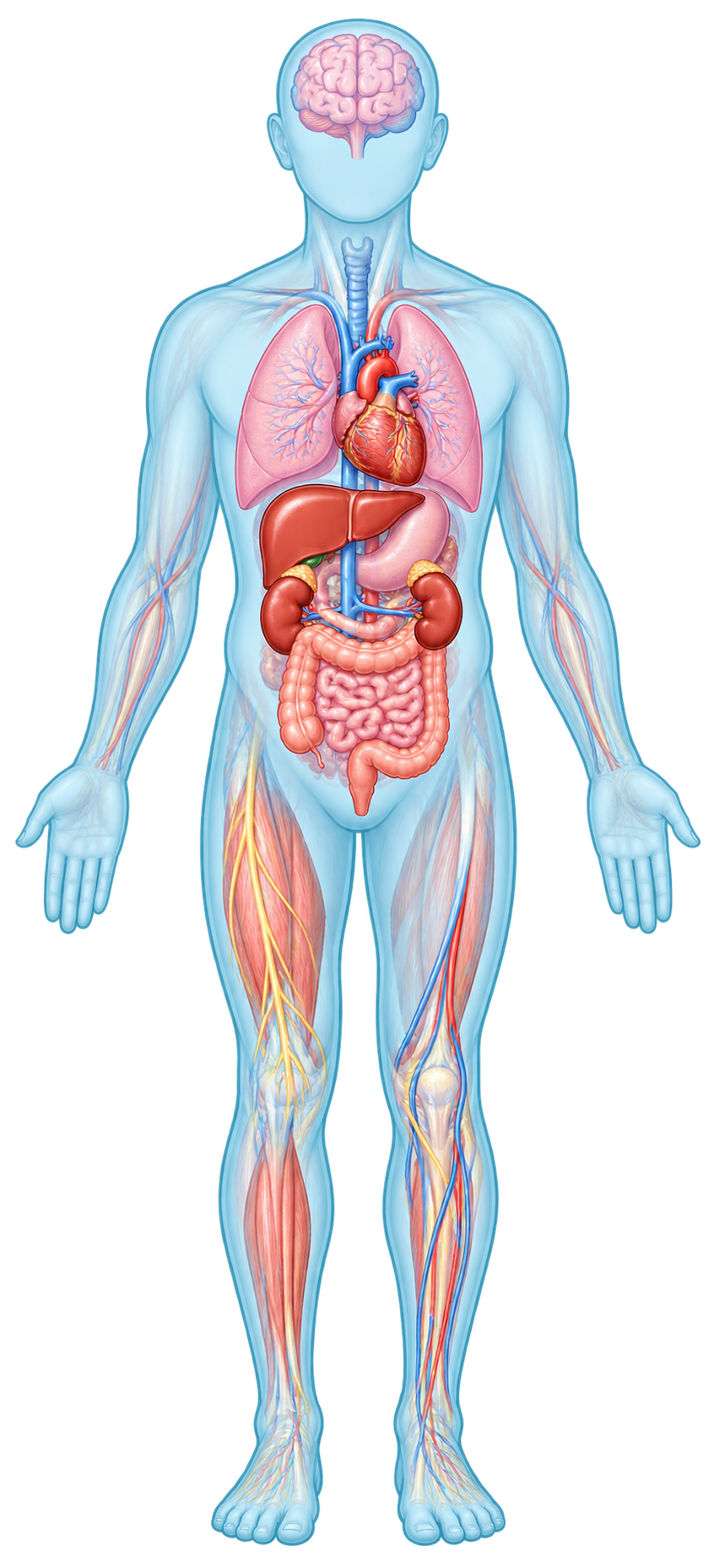
A picture of side effects

Numbered symptom boxes connect to the anatomical illustration. The medicine responsible may be uncertain; report the symptom.

1Hair / scalp
Docetaxel

Hair loss is expected with docetaxel. Discuss scalp cooling where appropriate and hair / scalp support.

3Breathing
HER2 treatment

New cough or breathlessness needs prompt assessment.

5Bowel
Pertuzumab / docetaxel

Report diarrhoea promptly, especially with poor intake, fever or dizziness.

7Blood / infection
Chemotherapy and the whole regimen

Fever, shivers or suddenly unwell: contact oncology immediately.

Full-body anatomical illustration with numbered symptom locations12345678
2Mouth
Chemotherapy

Painful ulcers or difficulty eating and drinking need advice.

4Heart / circulation
HER2 treatment

Fainting, chest pain or severe breathing difficulty: urgent help. Keep scheduled cardiac checks.

6Nerves / joints
Docetaxel

Report numbness, tingling or difficulty with buttons or walking before the next dose.

8Skin / liver symptoms
Treatment medicines

Severe rash, blistering or yellow skin/eyes needs prompt advice.

Selected effects, not every possible effect or a prediction. Blood-count, skin and line markers are schematic. Number and text carry meaning; colour is decorative.

Docetaxel

  • Low blood counts, infection and sepsis
  • Hair loss, mouth soreness and fatigue
  • Numbness / tingling; sometimes lasting
  • Fluid retention and nail changes
  • Allergic infusion reaction

Carboplatin

  • Low blood counts, infection and bleeding
  • Nausea, vomiting and fatigue
  • Allergic reaction, sometimes after previous exposure
  • Kidney or electrolyte changes

Trastuzumab

  • Heart pumping-function reduction / heart failure
  • Infusion or allergic reaction
  • Diarrhoea and fatigue
  • Rare serious lung effects

Pertuzumab

  • Diarrhoea and dehydration
  • Infusion / allergic reaction
  • Heart pumping-function reduction
  • Rash and fatigue

Support around treatment

The correct supportive prescription

Follow the script for the active medicine, route and treatment day. Do not carry chemotherapy anti-sickness medicines automatically into an antibody-only phase.

Tests before treatment

FBC, kidney and liver profile at baseline and before every 21-day cycle. The team reviews the necessary results before a planned dose.

Keep heart checks on the plan

An echo every 12 weeks is separate from blood tests or cancer imaging. Ask who books and reviews it.

Plan for symptoms

Keep your agreed contact numbers and instructions. New symptoms can need assessment before a routine appointment.

Do not wait for the next appointment

Emergency: 112 / 999. Severe breathing difficulty, collapse, seizure or severe chest pain needs emergency help.
Contact oncology immediately for temperature ≥37.5°C or ≤36°C, shivering or suddenly feeling unwell, even with a normal temperature. Follow your own hospital’s instructions. If you cannot reach the team, seek urgent medical assessment.
Your oncology team · daytimeInsert numbers here

Acute Oncology Service

Your oncology team · out of hoursInsert numbers here

Ask for medical oncology

Evenings / overnightYour out-of-hours pathway / nearest ED

Other hospitals: use the numbers your team provides.

Report new breathlessness, chest symptoms, severe diarrhoea, dehydration, jaundice, unusual bleeding or sudden illness promptly. Do not wait for the next planned test.

Tools that travel with you

For your treatment discussion: one-page consent aid · individualised discussion draft. These support the approved local consent process.

QR code for this public regimen portal

https://sactcheck.com/patient/00722/ · QR contains no patient information.